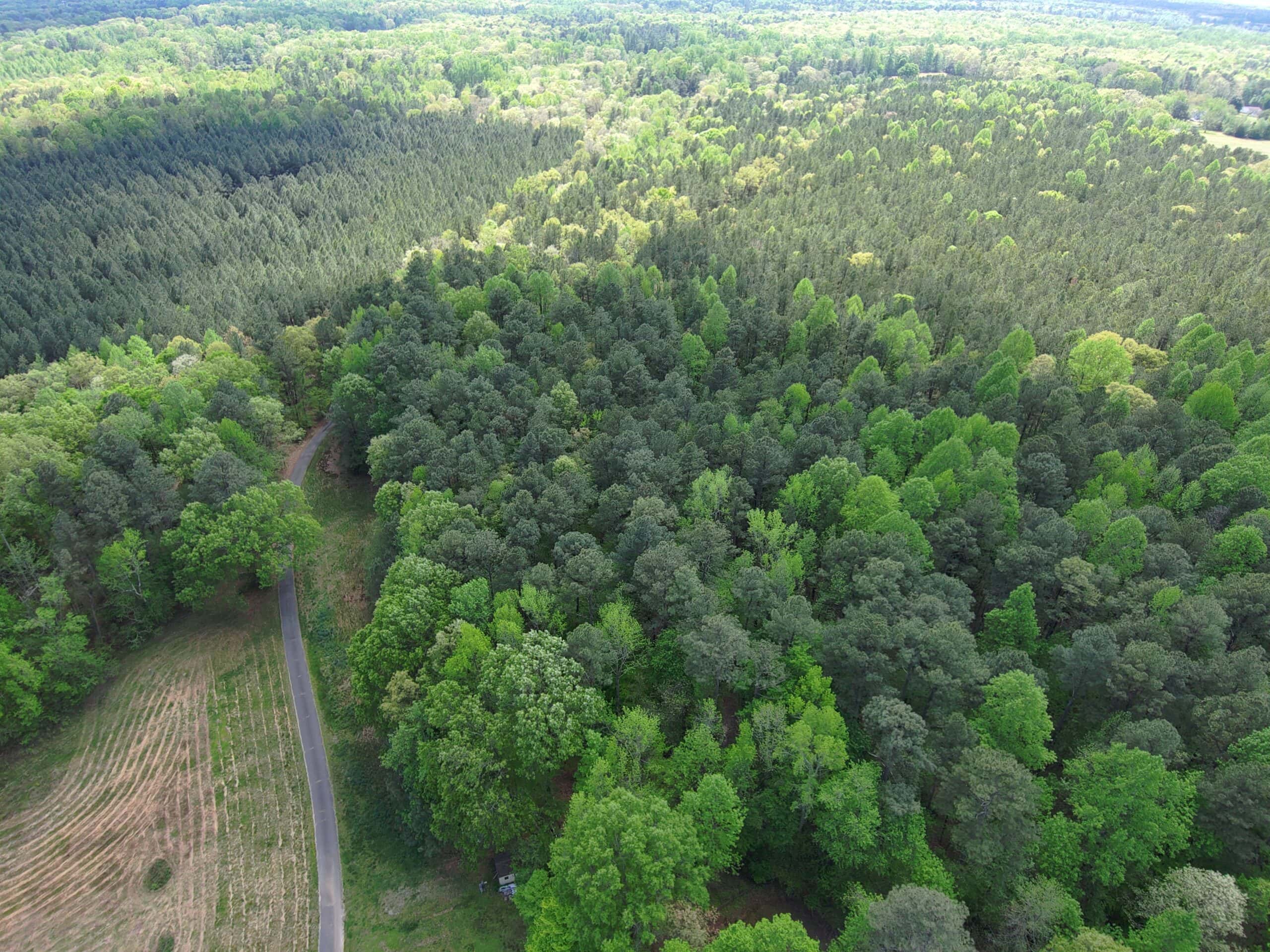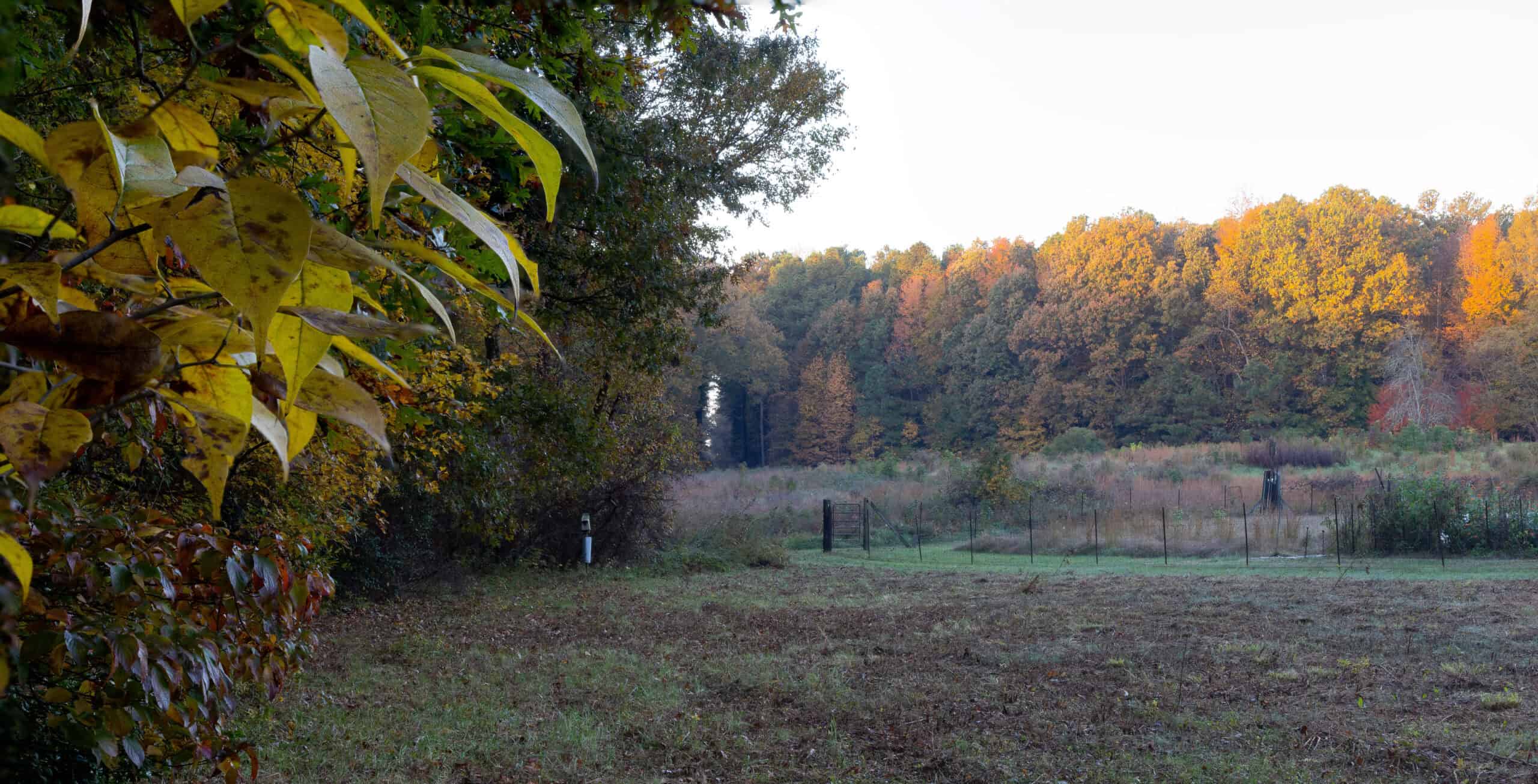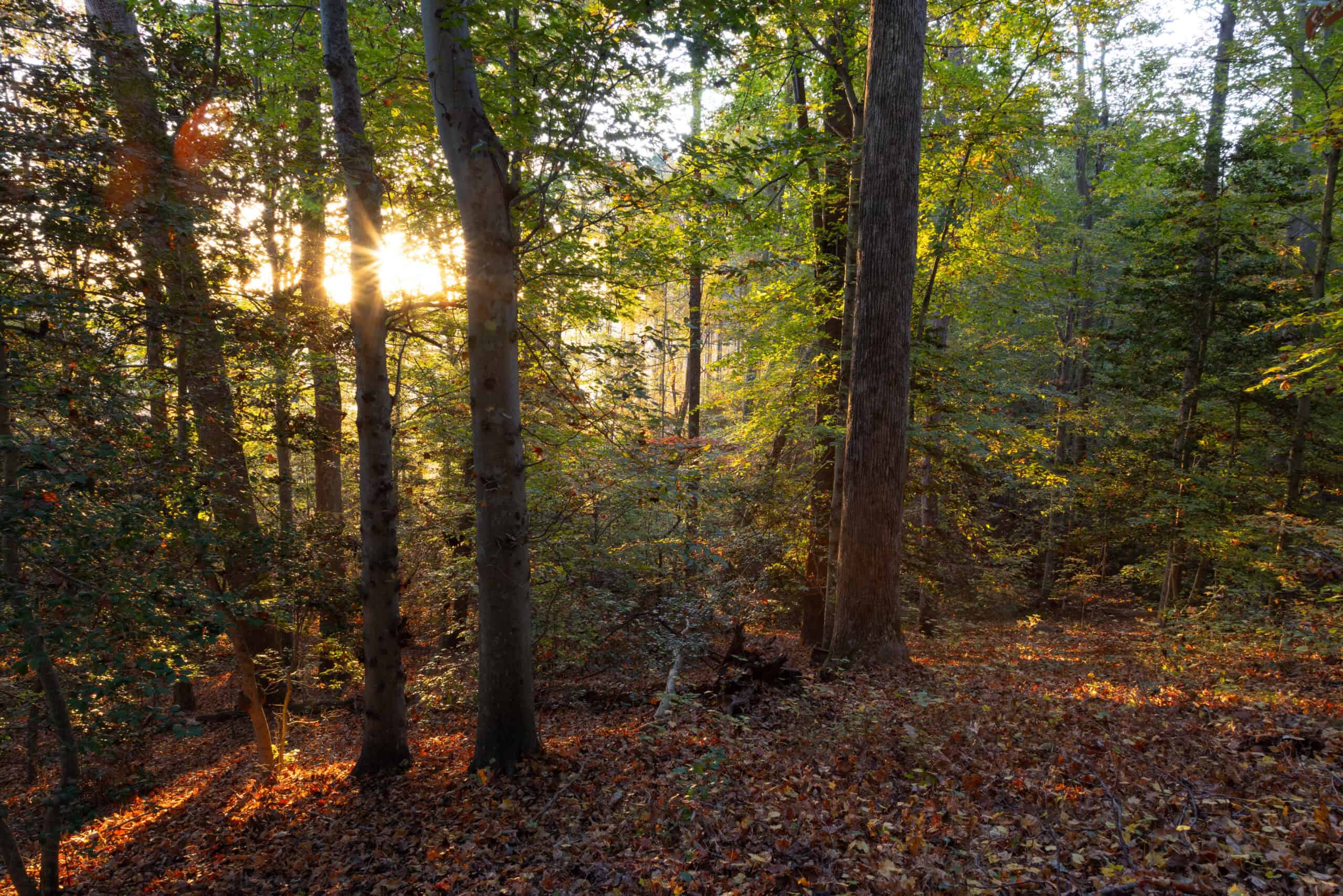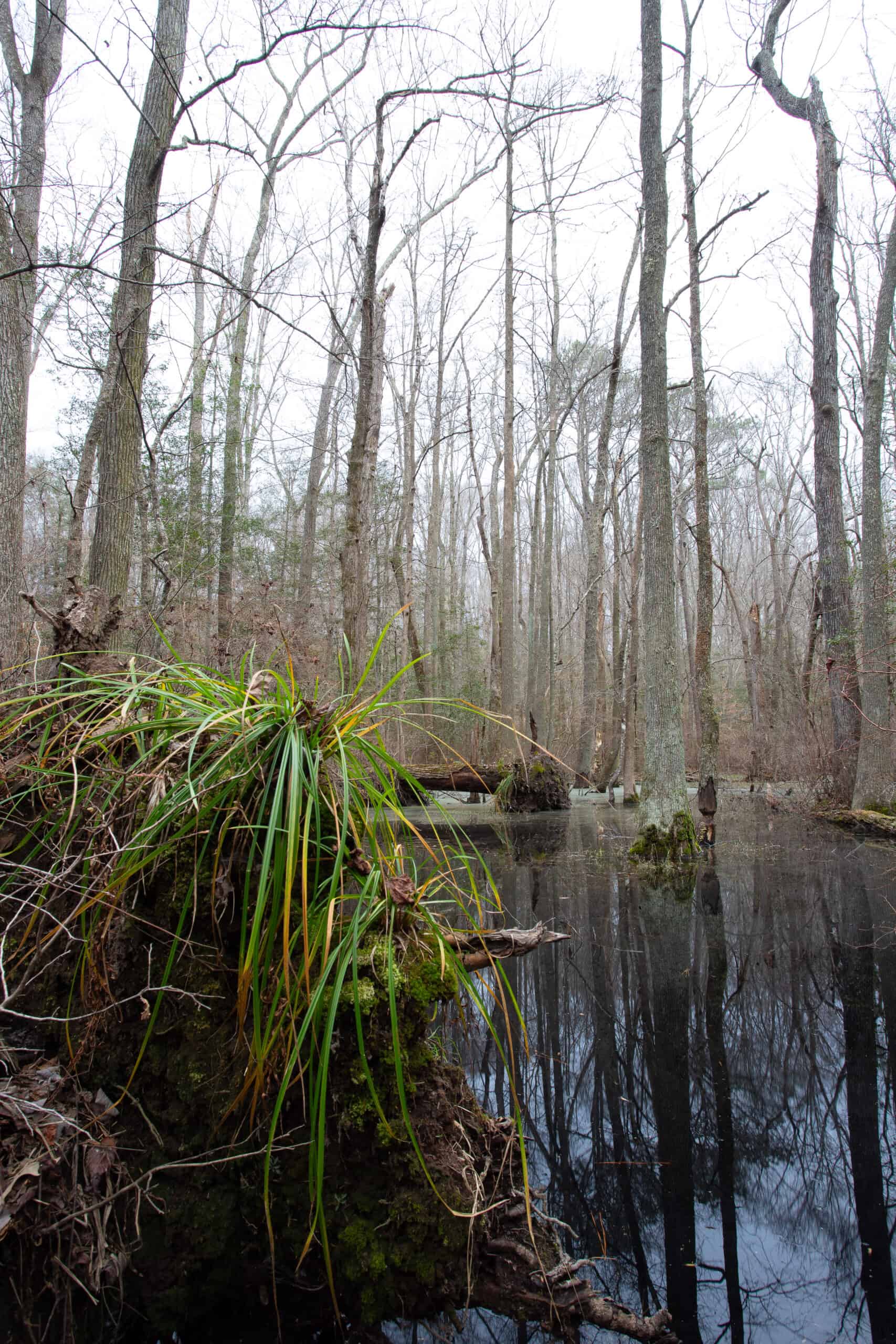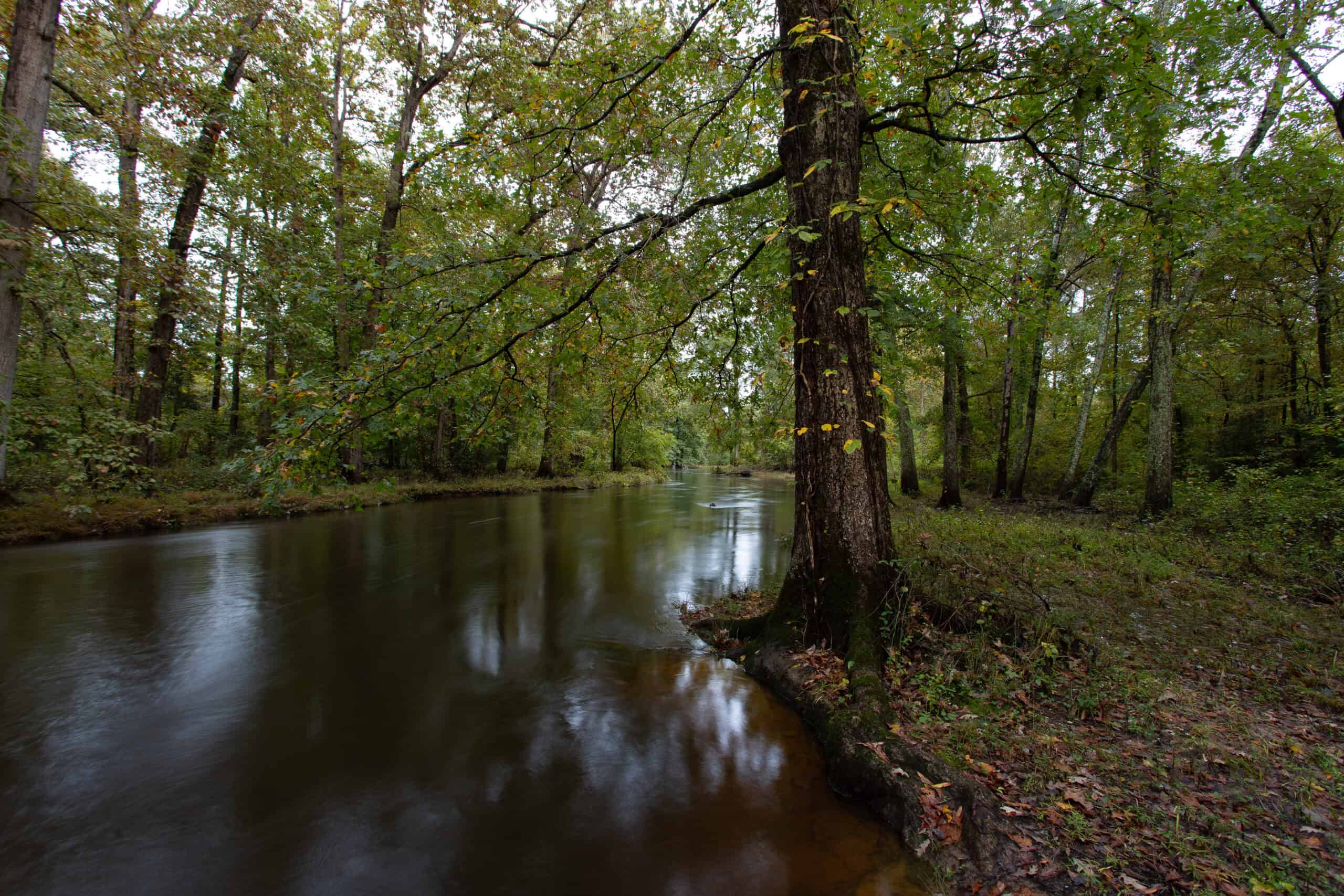
330 acres of forests and fields known as Indian Springs Farm in Henrico County were fully protected in November 2024. Irv and Lynn Wilson’s farm has a long and storied history, with evidence of Native American habitation back 10,000 years, which feels present today in its mature hardwood forest and in the numerous springs that find their way to the farm’s frontage on the scenic Chickahominy River.
Capital Region Land Conservancy and Henricopolis Soil and Water Conservation District took assignment of the 287-acre easement from The Nature Conservancy in late 2023 and then completed recordation of an easement on the remaining 43 acres in September of this year. The magnitude of what is protected is a historic win for people in this region and, of course, for nature.
The Virginia Department of Conservation and Recreation Natural Heritage Program has documented a 115-acre unique natural community known as a “Non-Riverine Wet Hardwood Forest” that is designated as imperiled for both state and global rankings since there are so few high-quality examples remaining anywhere.
Evidence of a village relating to Virginia Woodland Indians from approximately 1,200 BCE to the early 17th century, when Paramount Chief Powhatan and his people relocated from Werowocomoco (Gloucester County) to Orapax (New Kent County) in the early 1600s. Indian Springs Farm and its cultural resources were visited by George Major Cook (1860-1930) – also known as Wahunsacook or Wahansunacoke – Chief of the Pamunkey Indians from 1902 to 1930, an influential force in fighting for the rights of Virginia’s Indian communities throughout his life.