CRLC Conservation Easement Protects Important Natural Habitat
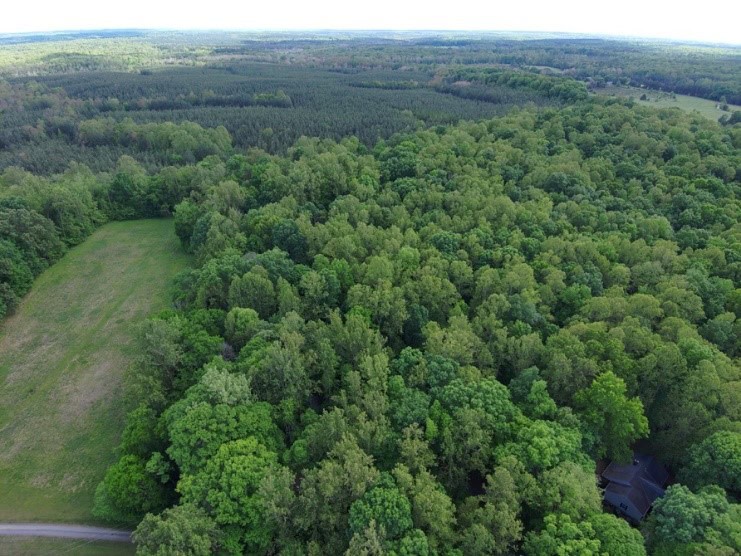
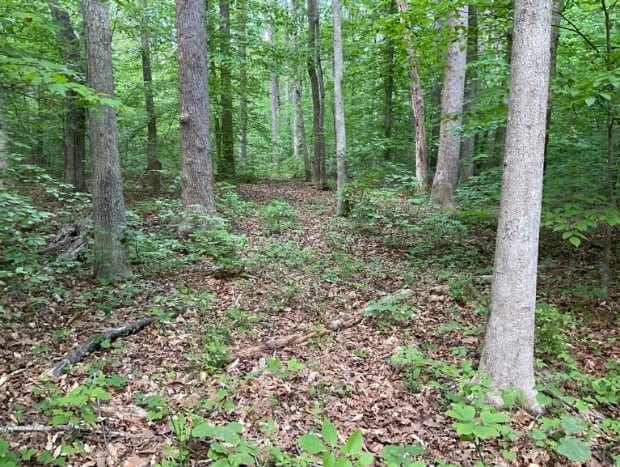
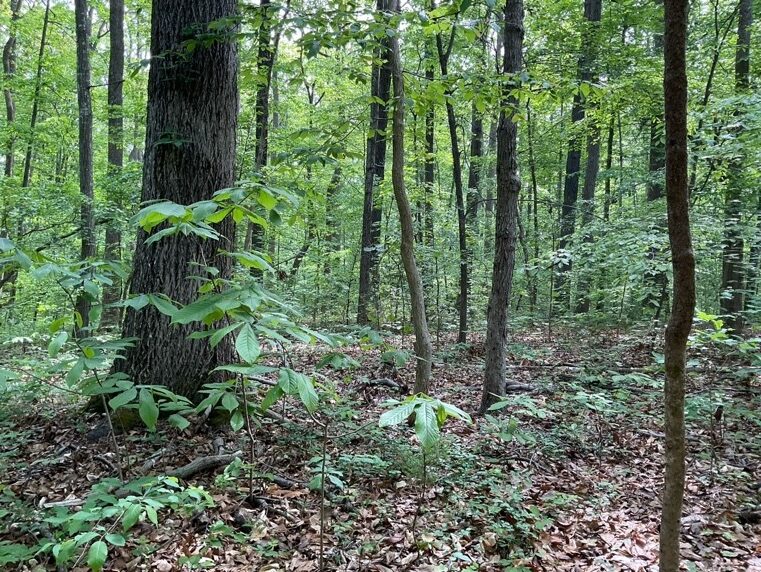
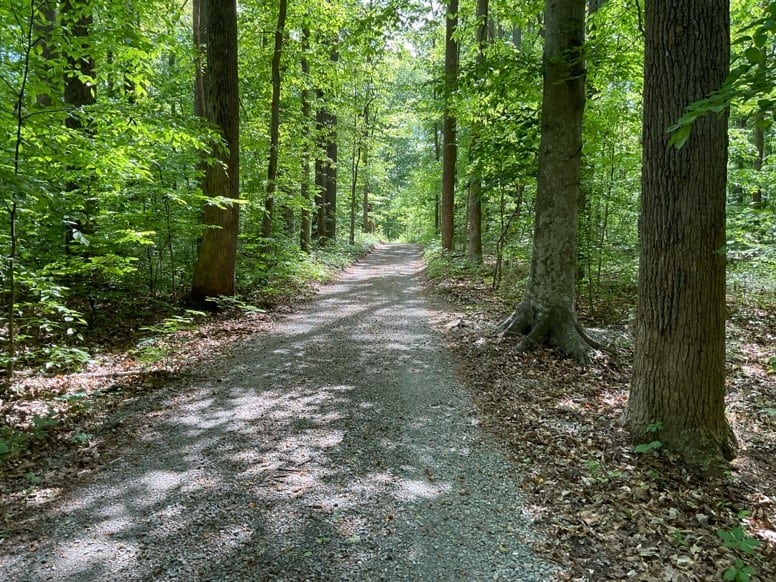
Cumberland, VA – Off Deep Run Road in Cumberland County is a mature hardwood forest that represents a high-quality example of a Piedmont Acidic Oak-Hickory Forest. This natural community is dominated by white oak, hickory, and yellow poplar trees with an understory and herbaceous layer containing a diversity of native species. The largest trees are 25 to 40-inches in diameter with one white oak estimated to be 200 years old. Ecologists from the Virginia Department of Conservation and Recreation identified more than 65 native plant species on the property.
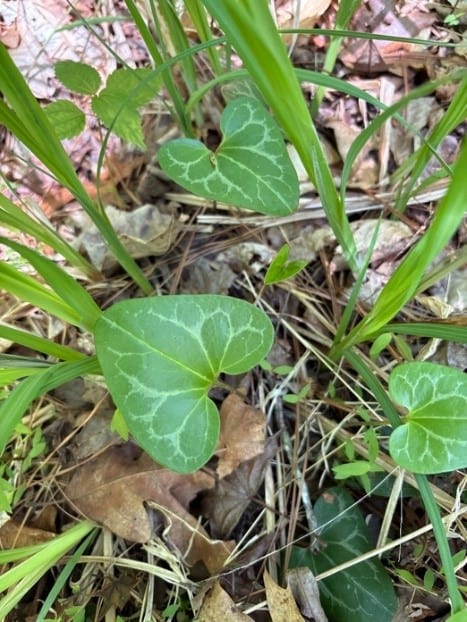
One such plant is Lewis’s Heartleaf (Hexastylis lewisii) that is not considered rare but has a G3/S3 status due to its narrow global range. It is on Virginia’s “watch list” due to its risk of becoming rare due to habitat loss. It is known to grow in only 12 counties in Virginia with fewer than an estimated 300 occurrences in Virginia and North Carolina.
“Conversion of the land is threatening many native plants that were once considered being stable populations” said Ashley Moulton, Capital Region Land Conservancy’s Land Stewardship Manager. “Common species are now challenged by development pressures and the regular fragmentation of natural habitat.”
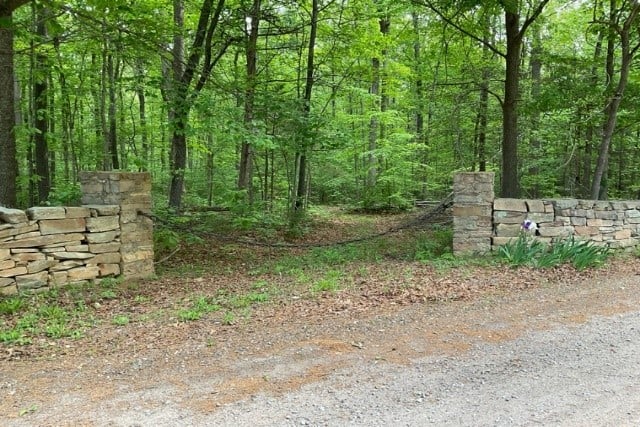
The presence of such native plants and a healthy forest inspired the owners of Oakland to preserve this important natural habitat with a conservation easement recently recorded and held by the Capital Region Land Conservancy (“CRLC”). Restrictions in the easement prohibit the commercial harvest of the 98.25 acres and must adhere to a Forest Stewardship Plan prepared specifically for the maintenance of the Piedmont Acidic Oak-Hickory Forest type at Oakland. Preservation of this important area also supports the Virginia Wildlife Action Plan and Central Piedmont Wildlife Biodiversity Resilience Corridor.
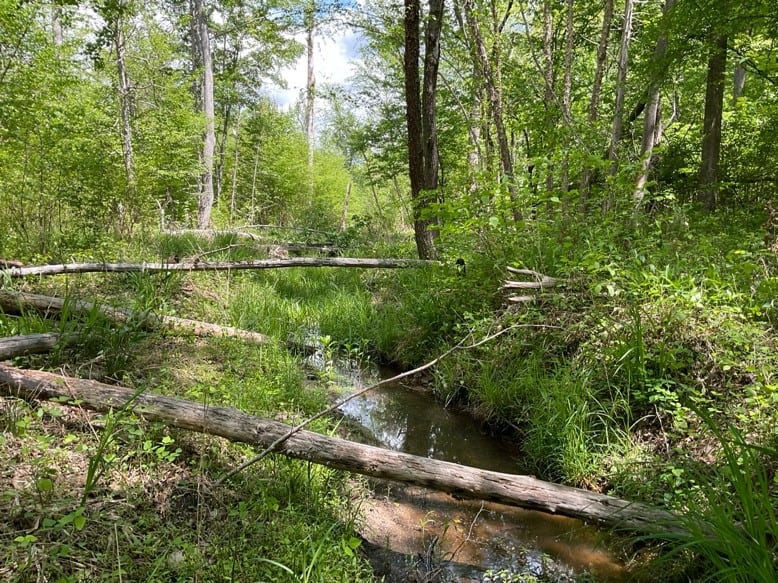
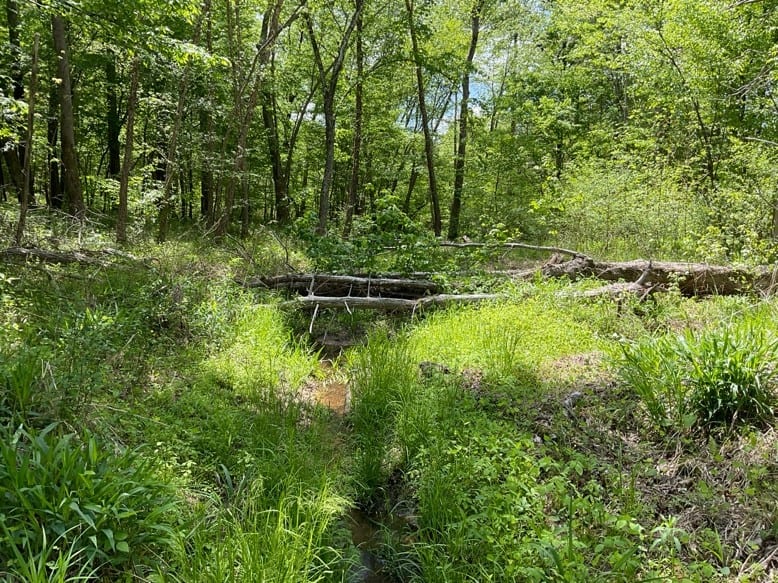
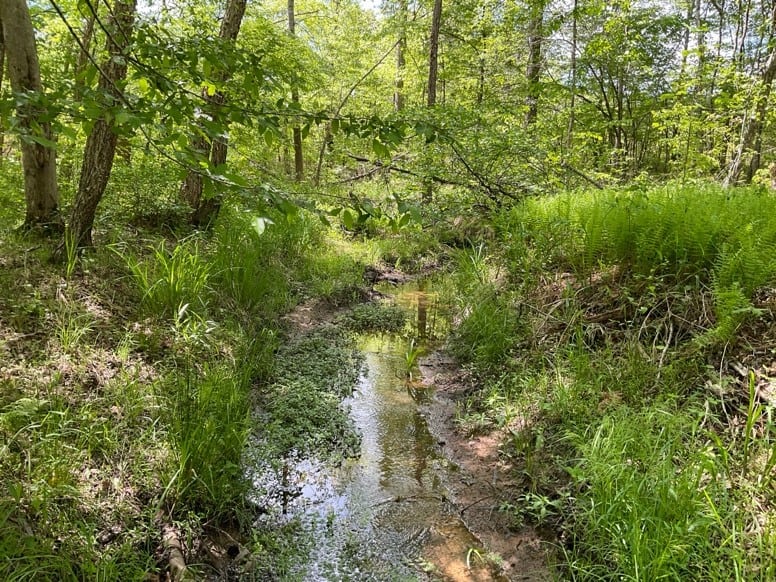
Additionally, the conservation easement protects water quality by preserving forested riparian buffers along 5,894 linear feet on three unnamed perennial streams, which flow into Davis Creek just north of the property and thence to Muddy Creek, James River, and the Chesapeake Bay. The Virginia Natural Heritage Data Explorer ranks the property as having moderate to high watershed impact conservation value and portions of the property as having very high forest conservation value.
The conservation easement at Oakland was partly funded by a resolution involving the Department of Justice’s criminal investigation of Inotiv, the parent company of Envigo, which agreed to pay more than $35 million. The fine is the largest ever in an Animal Welfare Act case and resulted from the investigation that found 445 dogs and puppies in acute distress. Another nearly 4,000 beagles were rescued from the Envigo facility in Cumberland County by the Humane Society of the United States. Envigo was also sentenced for violations of the Animal Welfare Act and Clean Water Act in 2024. The National Fish and Wildlife Foundation (“NFWF”) received $3.5 million to benefit the environment and ecosystems in Cumberland County, with at least $500,000 used to conserve riparian land. Oakland is located less than 6 miles from the Envigo facility where the violations occurred.
“For nearly 30 years, NFWF has supported efforts to protect and restore the Chesapeake Bay watershed by leveraging funding from federal and private partners to support on-the-ground watershed restoration and conservation projects by organizations like Capital Region Land Conservancy. We’re thrilled to build on this legacy by strategically working with CRLC to leverage these Envigo settlement funds to protect Oakland’s unique habitats and importance for local and regional water quality,” said Jake Reilly, Director of Chesapeake Bay Programs at the National Fish and Wildlife Foundation.
Oakland is located within the Pine Grove Rural Historic District that the Virginia Department of Historic Resources has deemed eligible for listing on the National Register of Historic Places. It was also part of a 2,400-acre plantation that was granted to Bowler Cocke in 1731. The 98 acres under CRLC’s conservation easement has passed through descendants of the Cocke family for nearly 300 years.
“My siblings and I inherited Oakland from our father after his passing in 2009. He inherited it from a cousin’s wife in 1970. As a family, we understand the property has witnessed much of America’s history including its darkest era of enslavement. We value the healing power of nature and how conserving this forest is important for all of earth’s inhabitants for the next 300 years” said Bill Cocke, managing member of Oakland Historic Property LLC and 5th great grandson of Bowler Cocke (1696-1771).
# # #
About Capital Region Land Conservancy (CRLC): Capital Region Land Conservancy is dedicated to conserving the natural and historic resources of Virginia’s Richmond region for the benefit of people and nature. The nonprofit land trust serves the City of Richmond and 19 surrounding counties. Since 2005, CRLC has helped protect more than 17,000 acres, including easements on more than 6,000 acres. www.capitalregionland.org
Contact:
Parker Agelasto, Executive Director
parker@capitalregionland.org
202-302-0153